
INTEGRATED
Solutions
Integrated CBRN defense platforms for operational deployment scenarios.
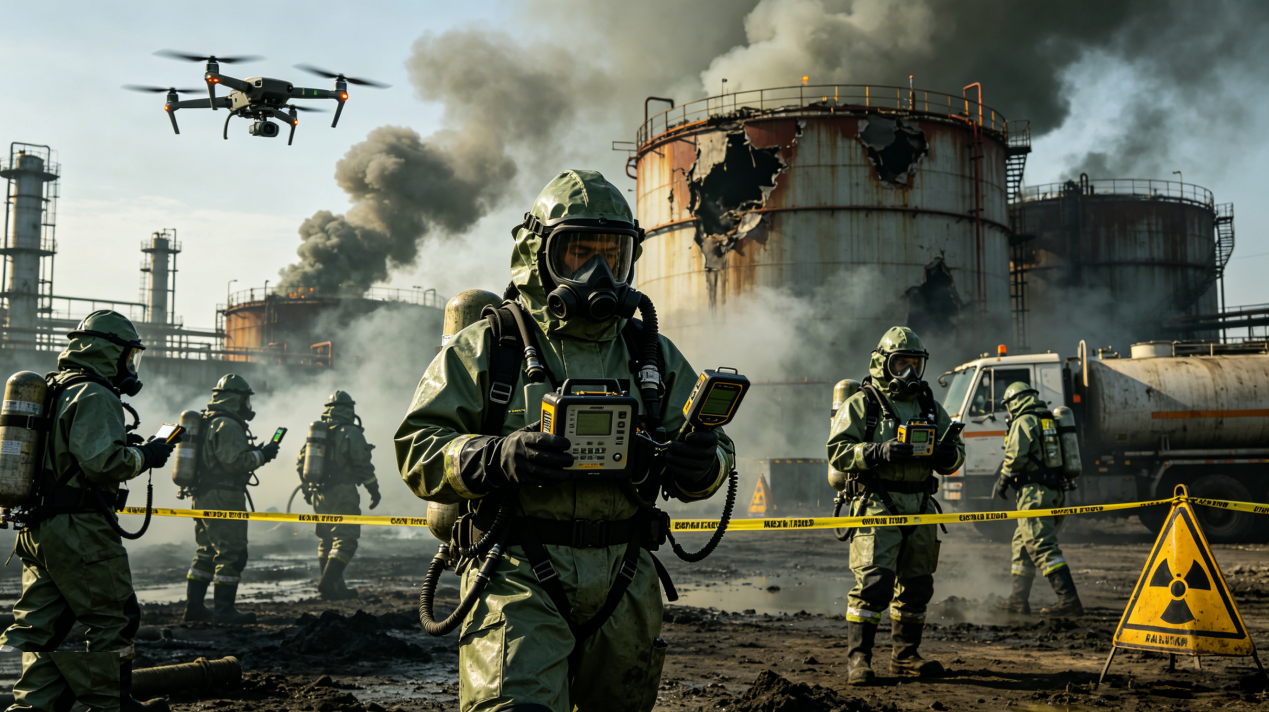
CBRN Emergency Overall Solution
Provide a comprehensive emergency solution for chemical, biological, radiological, and nuclear threats in response to emergencies, covering detection, protection, and decontamination. Integrate portable detection instruments, personal protective equipment, and emergency decontamination devices to establish a multi-level emergency response system.
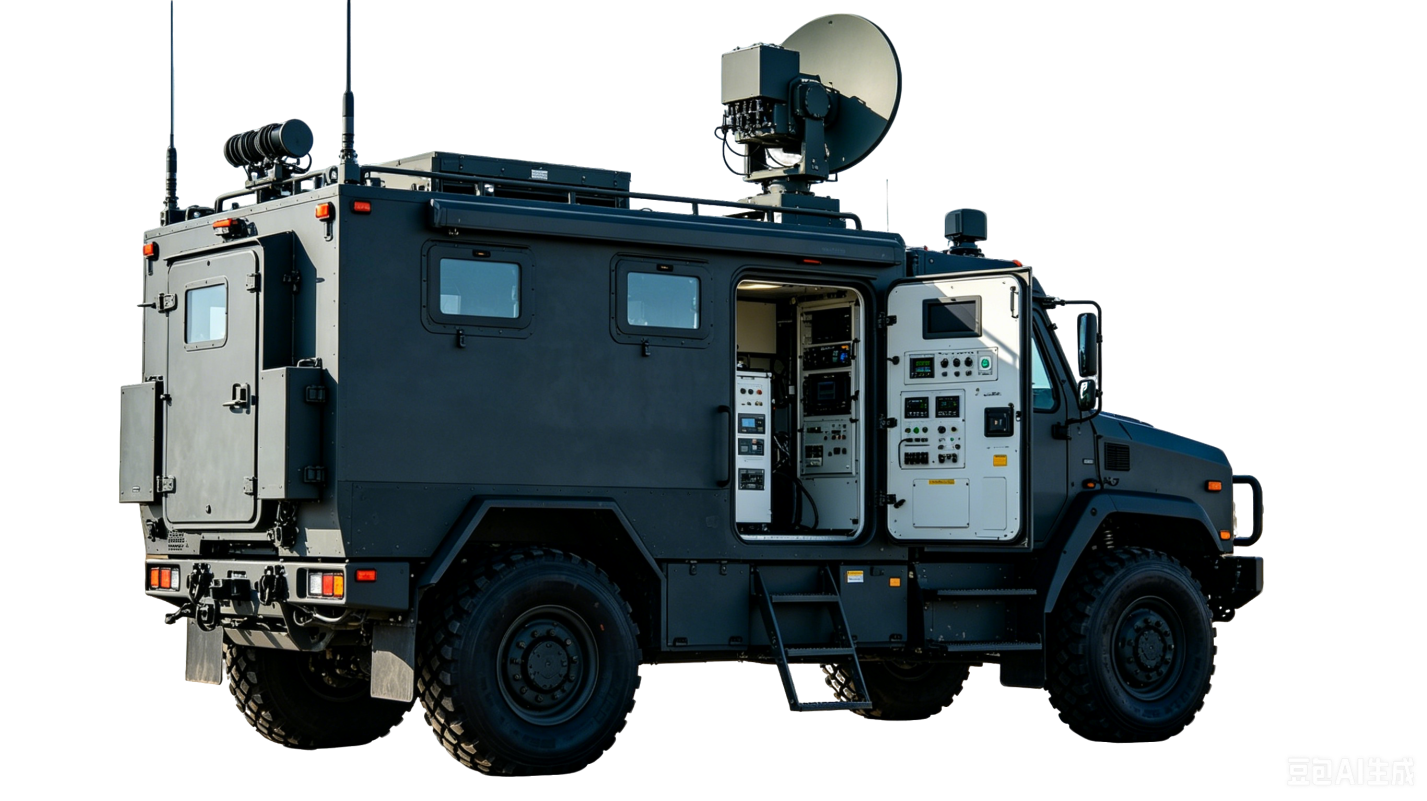
CBRN reconnaissance vehicle solution
The CBRN reconnaissance vehicle system integration plan based on a modified military chassis integrates atmospheric sampling, radiation detection, chemical analysis, and data transmission modules to achieve all-weather CBRN threat reconnaissance capability in a mobile environment.
CBRN Drone Swarm
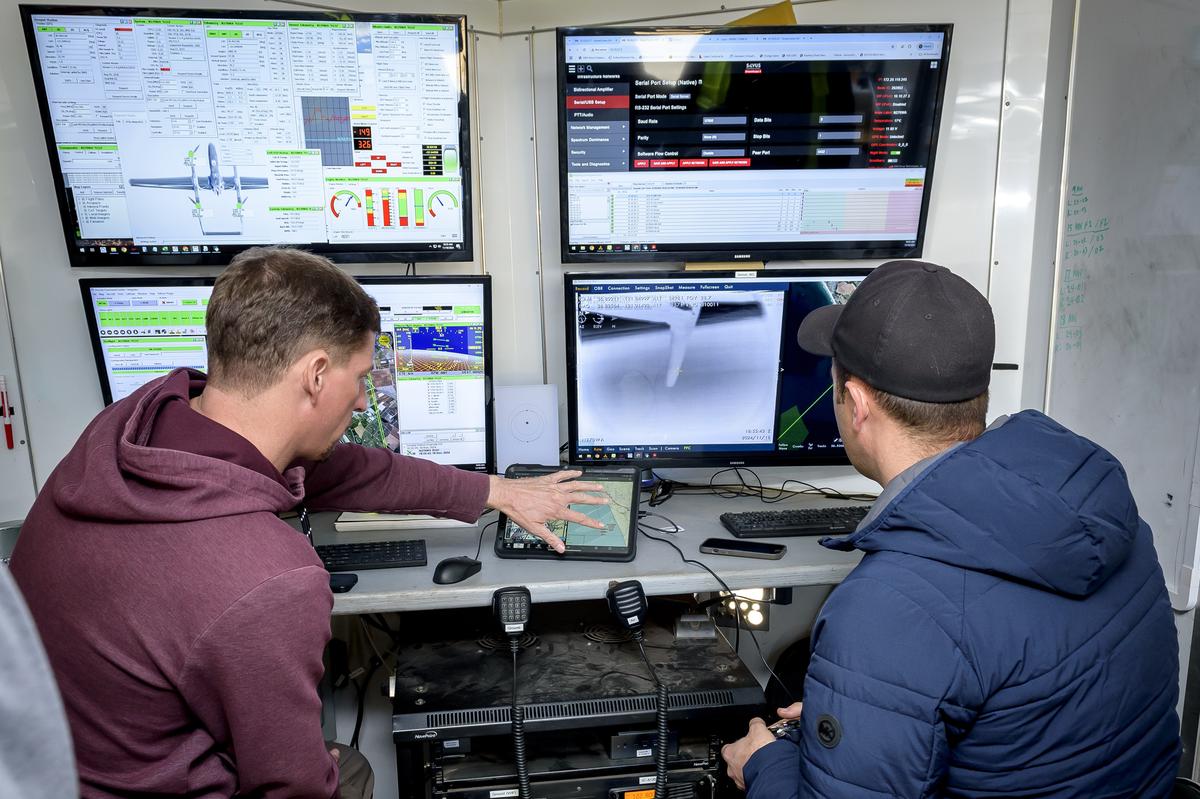
The CBRN drone swarm detection system is a multi-drone collaborative detection platform developed for chemical, biological, radiological, and nuclear (CBRN) threats. The core of the system consists of drone platforms, nuclear and chemical monitoring payloads, nuclear and chemical sampling modules, electro-optical reconnaissance systems, link systems, and carriers. It achieves low-altitude rapid nuclear and chemical swarm reconnaissance and monitoring through swarm intelligence algorithms.

Drone Radiation Detection
The drone radiation detection system integrates high-resolution γ spectrometers and neutron detectors into multi-rotor or fixed-wing drone platforms. The system can perform real-time nuclide identification, dose rate mapping, and contamination area profiling during flight. The typical endurance is 30-60 minutes, with data transmitted in real-time to the ground control station. It is applied in nuclear emergency response, decommissioning surveys, and environmental monitoring.
Drone CBRN reconnaissance
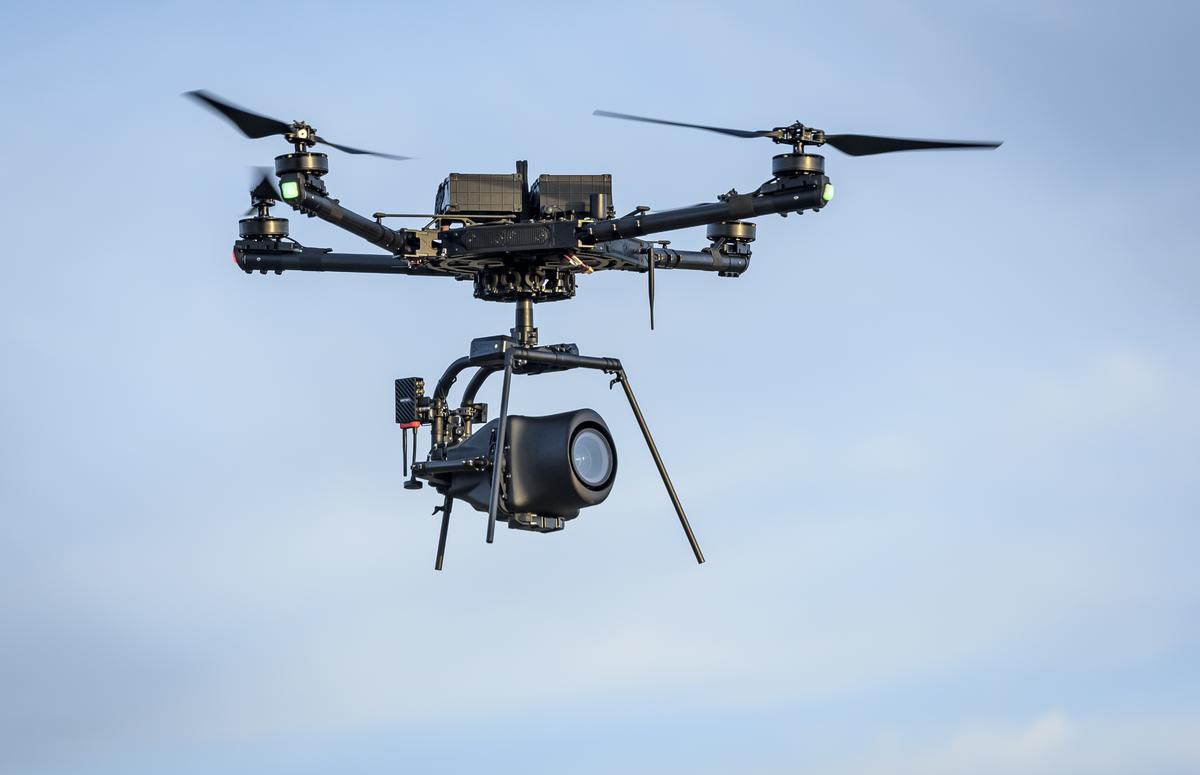
The drone CBRN reconnaissance platform is equipped with multiple sensor payloads, integrating γ/neutron detectors, biological aerosol samplers, and chemical agent detectors. The system can autonomously navigate to designated areas, collect air samples, conduct on-site analysis, and transmit the results to the command center. It supports CBRN threat assessment in hazardous areas without exposing personnel.
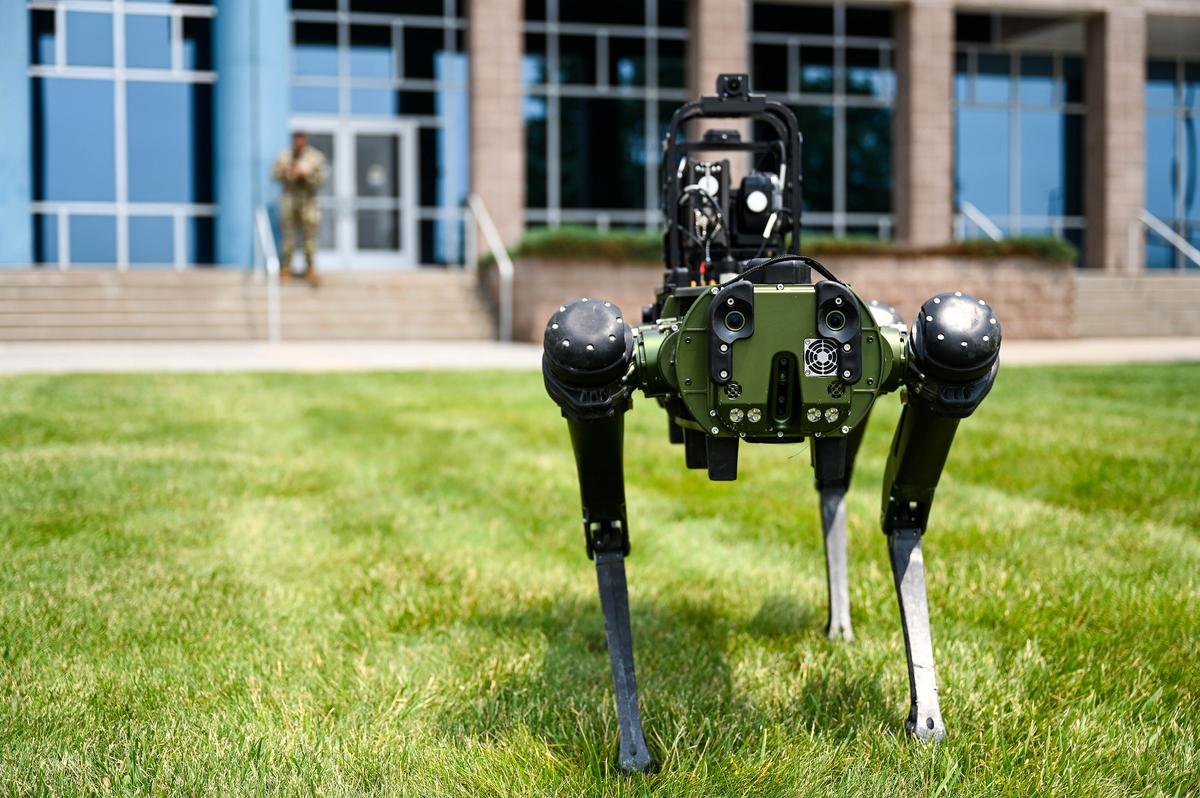
Robot CBRN reconnaissance
The CBRN reconnaissance system uses a quadruped or tracked robot platform equipped with CBRN detection payloads. The robot can traverse stairs, ramps, and obstacles to enter areas that are unsafe for humans. Integrated cameras, bidirectional audio, and CBRN sensors provide situational awareness. Operators can remotely control the robot from a safe distance. It is suitable for industrial accidents, chemical spills, and hazardous materials handling.
Food and Water Safety
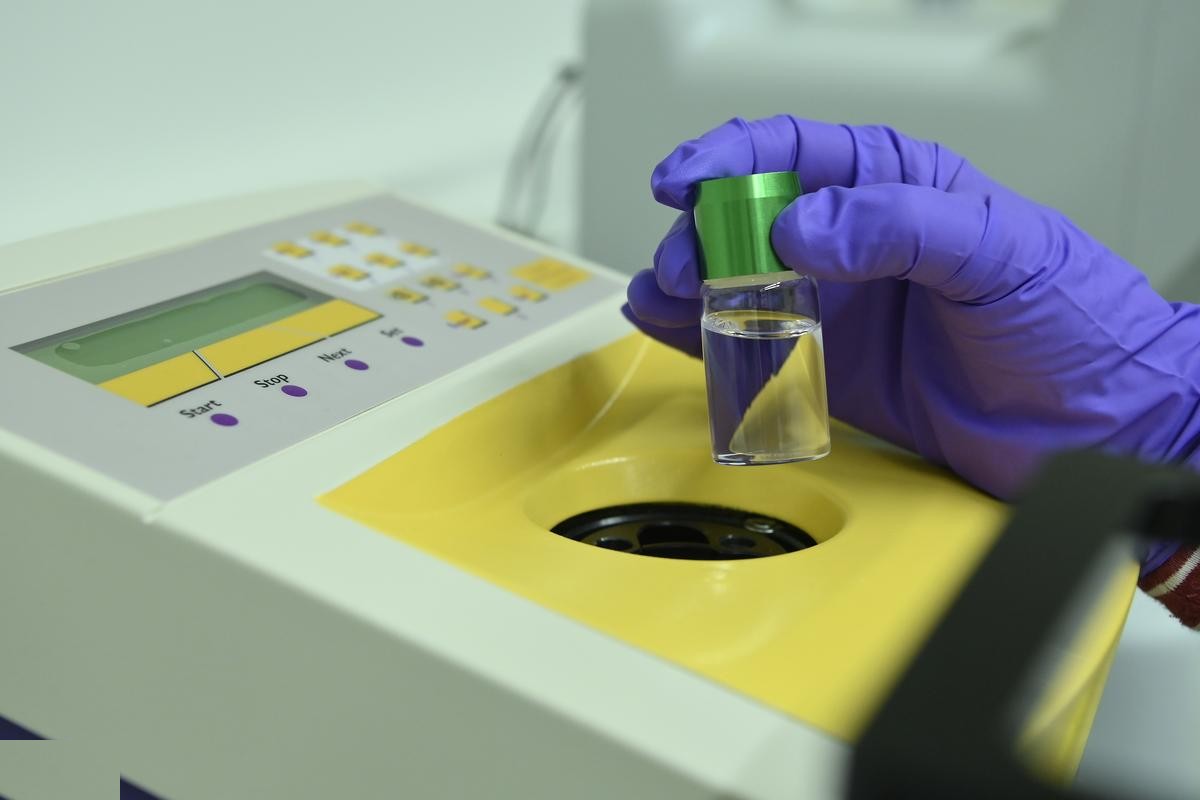
The food and water safety monitoring system provides automated radiation screening for agricultural products, food raw materials, drinking water, and wastewater. The system uses high-sensitivity NaI(Tl) or HPGe detectors to measure γ-emitting radionuclides according to national standard limits. The detection limits meet the requirements for key isotopes such as Cs-137 and I-131. It is suitable for port inspections, food processing plants, and water treatment stations.
Environmental monitoring
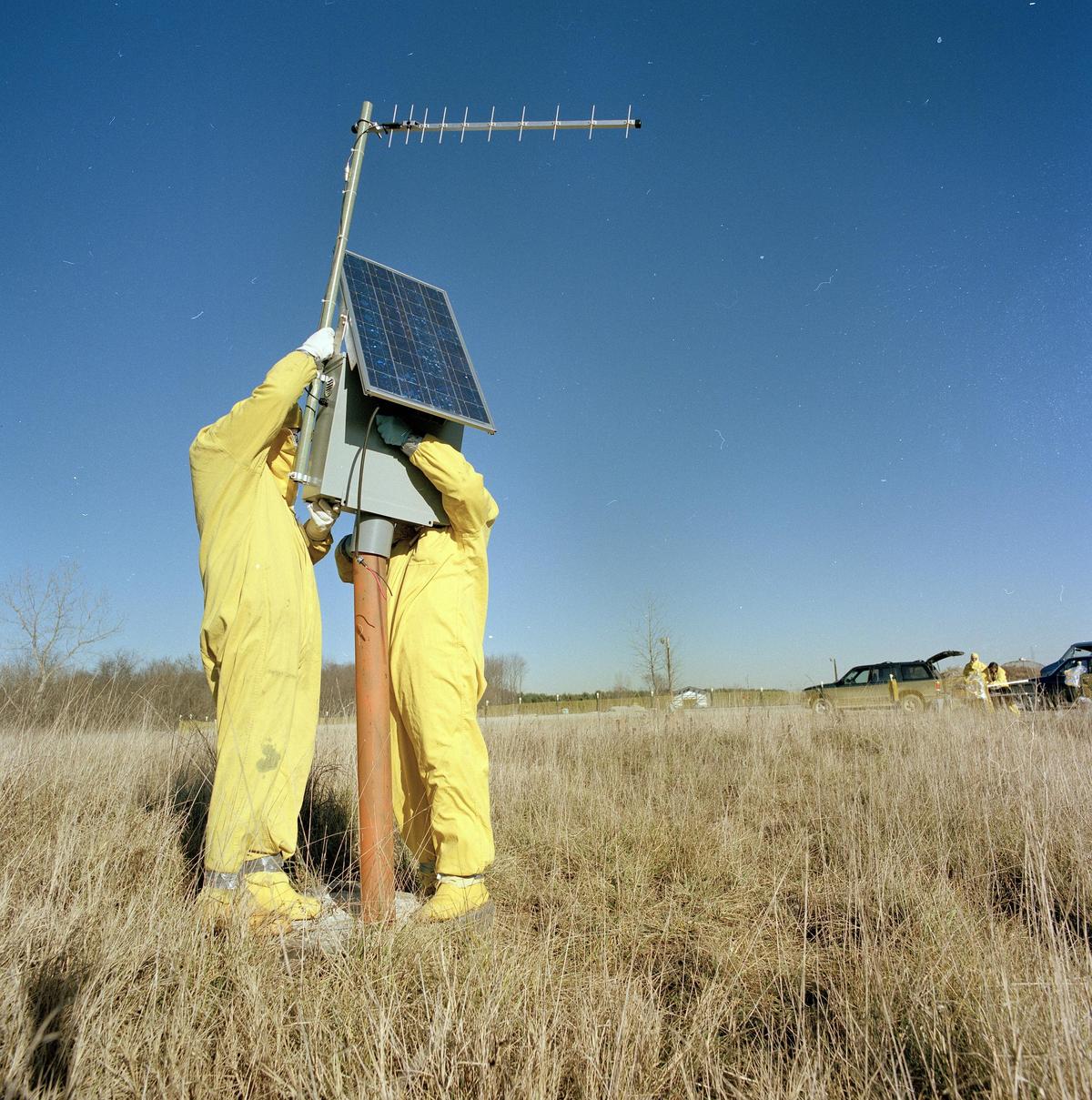
The environmental monitoring network consists of distributed γ radiation monitoring stations, connected via cellular networks, LoRa, or satellite communication. Each monitoring station measures the environmental dose rate, collects meteorological data, and transmits the measurements in real-time to a central monitoring platform. When the dose rate exceeds a preset threshold, the system automatically generates an alarm. It is widely deployed around nuclear facilities, urban areas, and border crossings.
Ocean Radiation Network
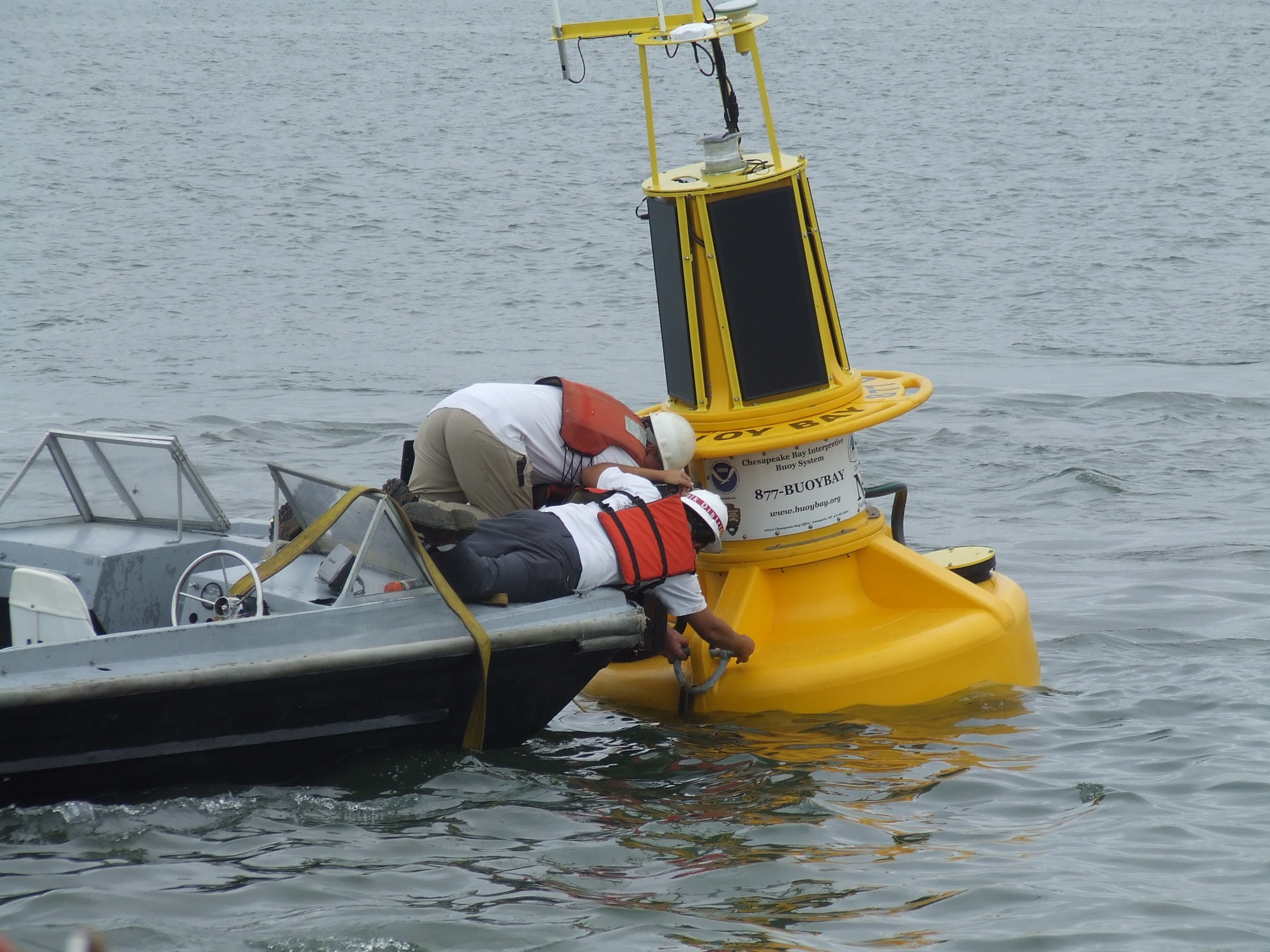
The ocean radiation monitoring network combines offshore monitoring buoys and coastal fixed stations to track radioactivity in seawater, marine sediments, and biological organisms. The buoys are equipped with underwater γ detectors and water sample collectors, transmitting data via satellite or cellular networks. Coastal stations provide reference measurements and data validation. This system supports long-term marine environmental assessments and monitoring of nuclear facility emissions.
Need a custom solution for your specific requirements?
Contact Our Team